10 Decades, 10 Icons: The Ultimate Evolution of the Backyard
If you told a homeowner in 1925 that their great-grandchildren would be spending $20,000 on a "smart" pergola and a tub of freezing water in their backyard, they’d probably assume we’d all lost our minds. Back then, the yard was for work. If you were outside, you were likely weeding a potato patch or dodging a stray goat.
But somewhere between the invention of the charcoal grill and the rise of Instagram, the backyard underwent a massive identity crisis. It stopped being a service entrance and started being a status symbol. We’ve spent ten decades obsessing over our grass, fighting with sprinklers, and eventually realizing that maybe—just maybe—nature is better when we actually live in it rather than just looking at it through a window.
Here is the definitive "Best of" list of the contributions that turned our backyards from mud pits into masterpieces.
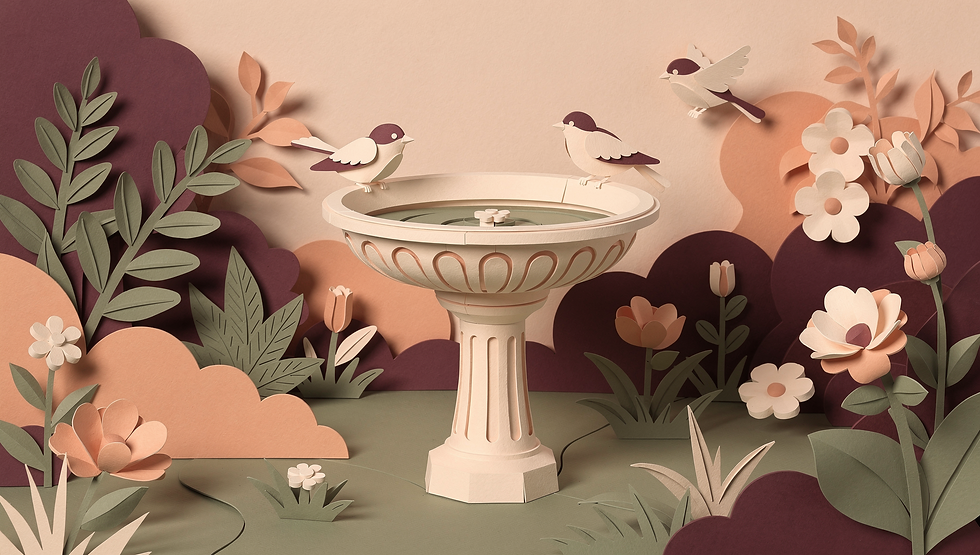
For most of the early 20th century, the backyard was the "service entrance" of the home. It was where you hung the laundry, stored the coal, and—if you were lucky—kept a few chickens. But the 1920s sparked a change; as the work week shortened, the yard became a place for the new "leisure class" to watch birds and plant formal perennial borders.
The 1930s brought the built-in barbecue pit. During the Depression, families entertained at home, and outdoor cooking became a practical and social ritual. The backyard cookout established the patio as a gathering space.
By the 1940s, leisure took a backseat to duty. The Victory Garden was the decade's greatest contribution, a beautiful blend of patriotism and horticulture that saw over 20 million Americans growing their own food.
Post-war, the "American Dream" moved to the suburbs. As houses moved closer together, homeowners sought separation and control over their environment with the Privacy Fence. The backyard barbeque was born.
The 60s gave us the iconic manicured lawn and the Redwood Deck. Suddenly, the backyard wasn't just a garden; it was an architectural extension of the house. We stopped "visiting" the yard and started "living" in it.
Energy concerns in the 1970s encouraged the rise of the enclosed porch, allowing year-round enjoyment of light and views while maintaining climate control.
The 1980s and 90s were the decades of excess and automation. We tired of dragging hoses and started installing automatic irrigation, and the humble charcoal kettle grill evolved into massive outdoor kitchens. We weren't just flipping burgers; we were hosting five-course meals under the stars.
In the 2000s, the stone fire pit reestablished the backyard as a year-round social center. Fire provided warmth, ambiance, and a focal point for gatherings.
As we hit the 2010s, the "golf course lawn" began to lose its luster. The environmental cost became too high, leading to the rise of Xeriscaping. Designers began prioritizing native plants that didn't just look pretty but actually supported the local ecosystem.
The COVID-era backyard office/studio shed is the most historically distinctive marker of the 2020s. It directly ties landscape design to a structural shift in how people live and work. That trend is now making way to native pollinator gardens and wellness spaces. Our gardens are now "smart," featuring automated lighting and integrated sound, but the focus has shifted inward. The backyard is not just a place to entertain—it’s where we go to heal.


Comments