Exploring Garden Styles: Part 1: Formal & Traditional
Landscaping can dramatically change the appearance and functionality of your outdoor spaces. Whether you're a wanting a backyard retreat or to improve curb appeal, understanding various landscaping styles can help you make informed choices.
This series is La Madrina's guide to 16 distinct garden styles, each paired with a mini design lesson to help you translate inspiration into action. From layout and plant selection to climate considerations and maintenance tips, we’ll walk through the elements that make each style work—and how to adapt them for Indiana’s growing conditions.
Landscape Design 101
Understanding the core components and key considerations is vital when selecting or designing a garden style that perfectly complements your home and lifestyle.

Core Design Elements
Hardscaping: Paving, walls, fences, pergolas, structures.
Plant Palette: Selection of trees, shrubs, perennials, annuals for form, texture, and color.
Water Features: Ponds, fountains, streams, reflecting pools.
Lighting: Ambient, accent, path lighting for evening ambiance and safety.
Furniture & Decor: Seating, sculptures, art, and architectural details.
Layout & Flow: Overall arrangement, pathways, and transitions between areas.
Topography: Use of levels, raised beds, or terracing to add dimension.
Key Considerations
Site Conditions: Evaluate sunlight exposure, soil type, and drainage.
Climate & Zone: Choose plants suited for Indiana's specific hardiness zone.
Maintenance: Determine your available time for upkeep (low, moderate, high).
Functionality: Define the primary purpose (relaxation, entertaining, play, edibles).
Aesthetic: Align with personal style preferences.
Formal, Cottage, & English Country Garden Styles
Beginning with the Formal and Traditional, the Cottage Garden was derived from the English Country Garden, which was an escape from the Formal Gardens of France.
Formal Gardens use carefully curated, often monochromatic plant palettes for structural elegance, whereas English Country and Cottage Gardens feature a diverse, colorful array of perennials, annuals, and shrubs to create lush, informal, and rustic appeals, respectively.
Let's dig in!
Formal Landscaping
Formal landscaping is characterized by its strict adherence to symmetry, straight lines, and meticulously well-manicured plants. Hedges, topiaries, and neatly trimmed lawns are central to this design, often arranged in precise geometric patterns like squares, rectangles, or circles. The aim is to create a strong sense of order, elegance, and control over nature, making it an ideal choice for stately homes, historic properties, or those seeking a classic, timeless, and sophisticated aesthetic.

Key Design Elements: Expect to see features like parterres (ornamental gardens with symmetrical patterns), knot gardens, espaliered fruit trees trained against walls, and classical statuary, urns, or fountains acting as focal points. Paths are typically straight, gravel, or paved, often leading to grand entrances or formal seating areas. Water features are usually architectural, like tiered fountains, rather than naturalistic ponds.
Plant Recommendations for Indiana: Structural plants like Boxwood, Yew, and Privet are favored for their ability to be precisely clipped into hedges and topiaries. For accent planting, classic choices include hardy Roses (e.g., 'Knock Out' or Rugosa Roses), and Lavender). Columnar trees that are hardy in Indiana, such as Columnar Blue Spruce or 'Sky Pencil' Holly, can reinforce vertical symmetry, replacing the less hardy Italian Cypress.
Best Climates/Regions & Historical Background: Originating from European Renaissance gardens (like Versailles) and later adopted in English formal gardens, this style thrives in temperate climates where plants suitable for rigorous shaping can flourish. It is a testament to human ingenuity and a desire to impose order on the natural world.
Practical Implementation Tips: Start with a detailed plan to ensure perfect symmetry. Invest in high-quality pruning tools and consider professional landscaping services for installation. Pay close attention to plant spacing and their mature size to avoid overcrowding.
Cottage Garden
Cottage gardens are the antithesis of formal landscaping, embracing an informal, lush, and seemingly uncontrolled abundance of plants. They are characterized by a joyful mix of flowers, herbs, and even vegetables, all tumbling together in a charming disarray. Paths often meander and are made of stepping stones or gravel, winding through dense plantings. The overall effect is warm, inviting, and whimsical, perfect for those who desire a relaxed, romantic atmosphere and want to create a haven for local wildlife and pollinators.

Key Design Elements: Soft, curved lines dominate, with an emphasis on vertical elements like climbing roses or clematis on trellises, arbors, and picket fences. Antique garden decor, bird baths, and rustic benches often add to the charm. There's a deliberate lack of empty space, with plants layered and intermingling to create a tapestry of color and texture. Hardscaping is minimal and functional, often using reclaimed materials.
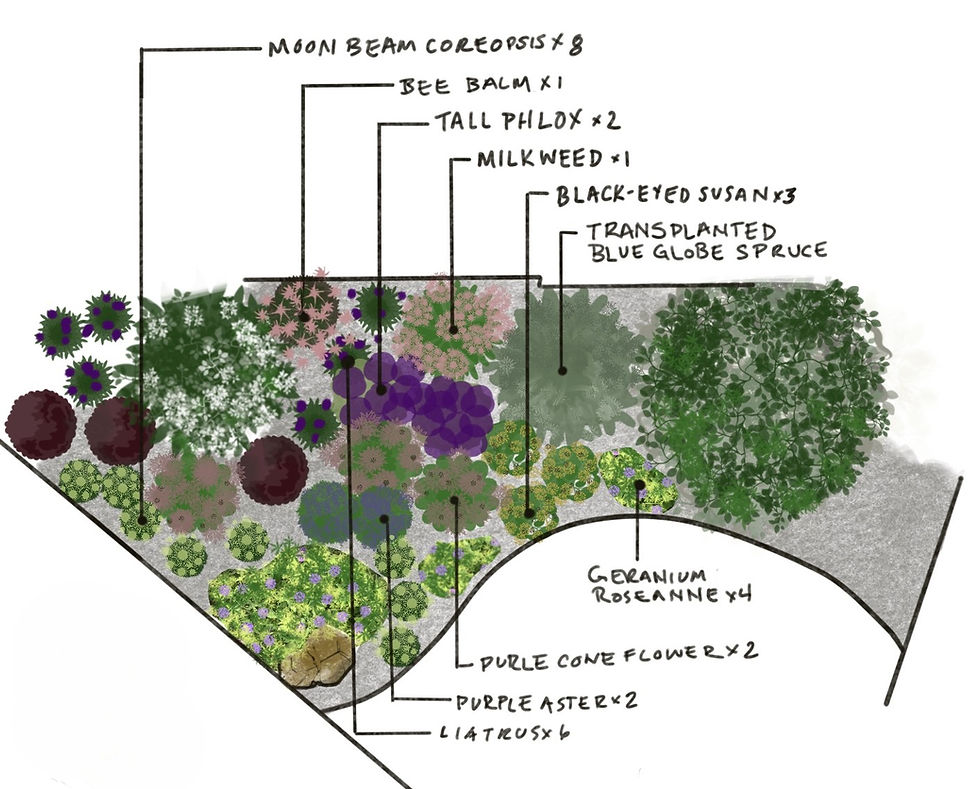
Plant Recommendations for Indiana: Classic cottage garden plants that thrive in Indiana include towering Hollyhocks (Alcea rosea), stately Delphiniums, elegant Foxgloves (Digitalis purpurea), fragrant old-fashioned Roses (e.g., 'Eden Rose', 'New Dawn'), and Lavender (Lavandula angustifolia). Other favorites are Bee Balm (Monarda), Calendula, Nasturtiums (which can be edible), and various herbs like Thyme, Rosemary (hardy varieties like 'Arp'), and Chives. Phlox (Phlox paniculata), Coneflowers (Echinacea purpurea), and Black-Eyed Susans (Rudbeckia hirta) are also excellent choices for continuous bloom and supporting pollinators.
Best Climates/Regions & Historical Background: Originating in rural England during the late medieval period, cottage gardens were initially pragmatic plots combining edibles with a few flowers. They evolved into an aesthetic style in the Victorian era. They thrive best in temperate climates with good rainfall, where a wide variety of flowering plants can prosper.
Practical Implementation Tips: Layer plants for continuous bloom throughout the seasons. Don't be afraid to allow some plants to self-seed and naturalize. Incorporate vertical elements to add height and interest. Choose plants that are well-suited to your local climate and soil conditions for the best results.
English Country Garden

The English garden style embodies romance, charm, and a sense of cultivated wildness, often featuring densely planted perennial borders, winding paths, and a variety of flowering plants that create a soft, informal look. Unlike formal gardens, English gardens embrace natural forms and abundant growth, aiming for a picturesque and harmonious blend of flora and subtle human touches. This style is ideal for creating a serene and enchanting outdoor space, particularly well-suited to Indiana’s temperate climate.
Key Design Elements: Expect sweeping, curved lines in flower beds and paths, often made of brick, gravel, or stepping stones. Emphasis is on layered planting to create depth and continuous bloom. Features like arbors, pergolas draped with climbers, quaint benches, birdbaths, and sundials add to the romantic aesthetic. A traditional lawn often serves as a central, open space bordered by lush plantings. Cottage Garden elements often overlap, but English Gardens tend to be larger and more structured in their "informality."
Plant Recommendations for Indiana: Perennials are paramount. Excellent choices for Indiana include Peonies, Daylilies, Hostas for shade, Coneflowers, Black-Eyed Susans, Phlox (Phlox paniculata), Hydrangeas (paniculata or macrophylla), and various Roses (especially hardy shrub roses and climbing roses like 'New Dawn'). Annuals like Marigolds and Zinnias can fill gaps. Flowering shrubs like Lilac and Forsythia add seasonal interest. Delphiniums and Foxgloves can also thrive with proper siting.
Best Climates/Regions & Historical Background: Originating in England in the 18th century as a reaction to formal French gardens, this style thrives in temperate climates with distinct seasons, making it perfect for Indiana. It's designed to withstand variations in temperature and precipitation, offering beauty from spring through fall.
Practical Implementation Tips: Plan for year-long interest by selecting plants with staggered bloom times and varied foliage. Create "plant drifts" rather than planting in single rows for a more natural look. Incorporate vertical elements with climbing plants on structures. Focus on building rich, organic soil, which is crucial for healthy perennials. Don't be afraid to experiment with plant combinations to achieve your desired aesthetic.
Landscaping is more than decoration—it’s a strategic design choice that shapes how you live, move, and feel in your outdoor space. Whether you're drawn to the elegance of formal gardens, the charm of cottage plantings, or the romantic flow of English country borders, understanding the principles behind each style empowers you to create a landscape that reflects your personality and meets your practical needs.
Up next: Mediterranean & Japanese Zen Garden styles
These styles reflect centuries of cultural tradition, artistry, and philosophy. They often emphasize symbolism, sensory experience, and timeless design principles.
Let’s keep growing.
Formal & Traditional Aesthetics
Global Inspirations
Mediterranean Garden
Japanese Zen Garden
Out-of-Zone Garden Styles
Desert Garden
Tropical Garden
Coastal Garden
Rock Garden (Alpine)
Regional Rooted Style
Woodland Garden
Native Garden
Prairie Style
Modern & Adaptive Living
Farmstead Garden
Contemporary Urban Garden
Xeriscaping Garden


Comments