Small Details Create Better Landscapes: The Craft of Maintenance
Vol. 3 — The Craft of Maintenance
Landscapes aren't finished when the last plant goes into the ground.
The best landscapes continue to improve because they're maintained with intention. Small, consistent practices preserve the original design, encourage healthy growth, and prevent minor issues from becoming costly repairs.
Maintenance isn't simply about keeping a landscape tidy. It's about protecting the investment you've already made.
Here are four simple practices that keep landscapes looking intentional year after year.

1. Edging
A crisp mulch bed edge is one of the quickest ways to make a landscape look professionally maintained.
Over time, lawns naturally creep into planting beds, mulch migrates into the turf, and defined edges become soft and uneven. Without routine edging, even a well-designed landscape begins to look neglected.
Clean mulch edges create visual order. They define planting beds, reduce maintenance, and give every shrub, perennial, and tree a finished appearance.
Sometimes the smallest detail makes the biggest first impression.
2. Professional Steel Edging
A permanent solution for permanent bed lines.
Unlike plastic edging that cracks or landscape timbers that rot, steel edging creates a durable, nearly invisible border that holds its shape for decades.

Professional-grade steel edging keeps rock planting beds in place, prevents turf from invading planting beds, and dramatically reduces the need to reshape edges every season.
It isn't the most noticeable feature in a landscape—but you'll notice when it's missing.
Good edging quietly protects the design year after year.
3. Bypass Pruners & Proper Cuts
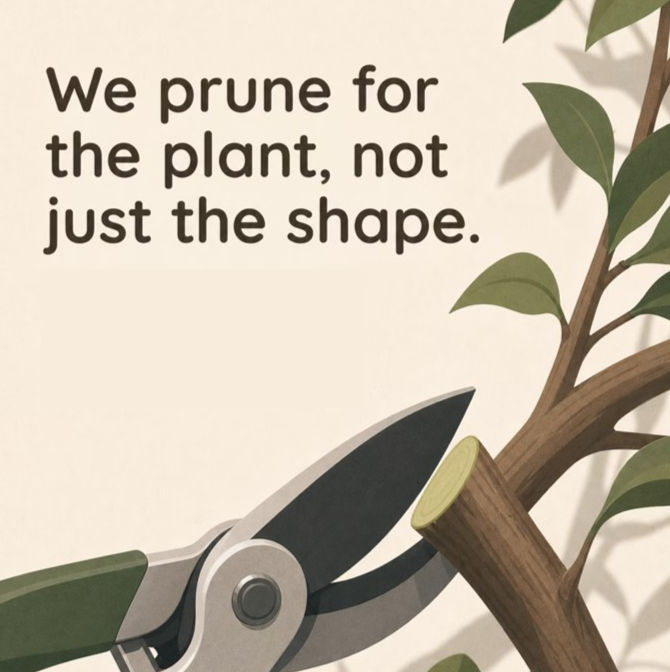
How you prune matters just as much as when you prune.
Every cut changes the way a plant grows.
Using sharp bypass pruners creates clean cuts that heal quickly and reduce stress on the plant. Dull tools or improper cutting techniques can crush stems, invite disease, and encourage weak growth.
Just as important is knowing what not to prune. Removing too much growth—or pruning at the wrong time of year—can reduce flowering, weaken plants, and permanently alter their natural form.
Good pruning isn't about making plants smaller. It's about helping them grow better.
Ever looked at a plant in your yard and thought, "What is that?"
Our new Landscape Guide takes the guesswork out of caring for your landscape. We'll visit your property, identify your trees, shrubs, and perennials, then create a personalized guide with seasonal care instructions, pruning tips, watering recommendations, and a simple plant map—made specifically for your yard.
Perfect for new homeowners, DIY gardeners, or anyone who wants to keep their landscape looking its best.
4. Seasonal Landscape Maintenance

Landscapes are living systems. They require different care in spring, summer, fall, and winter.
Refreshing mulch, redefining bed edges, removing damaged growth, monitoring irrigation, and seasonal pruning all contribute to healthier plants and a landscape that looks cared for throughout the year.
Routine maintenance also allows small issues to be identified before they become expensive problems.
Consistency almost always costs less than correction.
Small Details Create Better Landscapes
Beautiful landscapes rarely stay beautiful by accident.
They're the result of thoughtful maintenance performed throughout the year—not because something is broken, but because craftsmanship deserves ongoing care.
At La Madrina Landscape, we believe maintenance isn't about doing more. It's about doing the right things at the right time.
Coming next: Vol. 4 — The Living Landscape.



Comments