Elements of a Garden Style:
Building a Landscape That Truly Fits Your Life
Choosing a garden style isn’t just about picking plants you love or saving inspiration photos on your phone. A successful landscape feels intentional—rooted in your home’s architecture, aligned with your lifestyle, and responsive to the realities of your site. Understanding the core elements that shape a garden style gives you the clarity to design a space that’s both beautiful and functional.
Core Design Elements

Hardscaping
Every garden style begins with structure. Paving, walls, fences, pergolas, and architectural features define the bones of the space. Clean-lined concrete and steel lean modern; brick edging and symmetry evoke a formal European feel; gravel paths and timber accents create a relaxed cottage or rustic aesthetic. Hardscaping sets the tone long before plants enter the picture.
Plant Palette
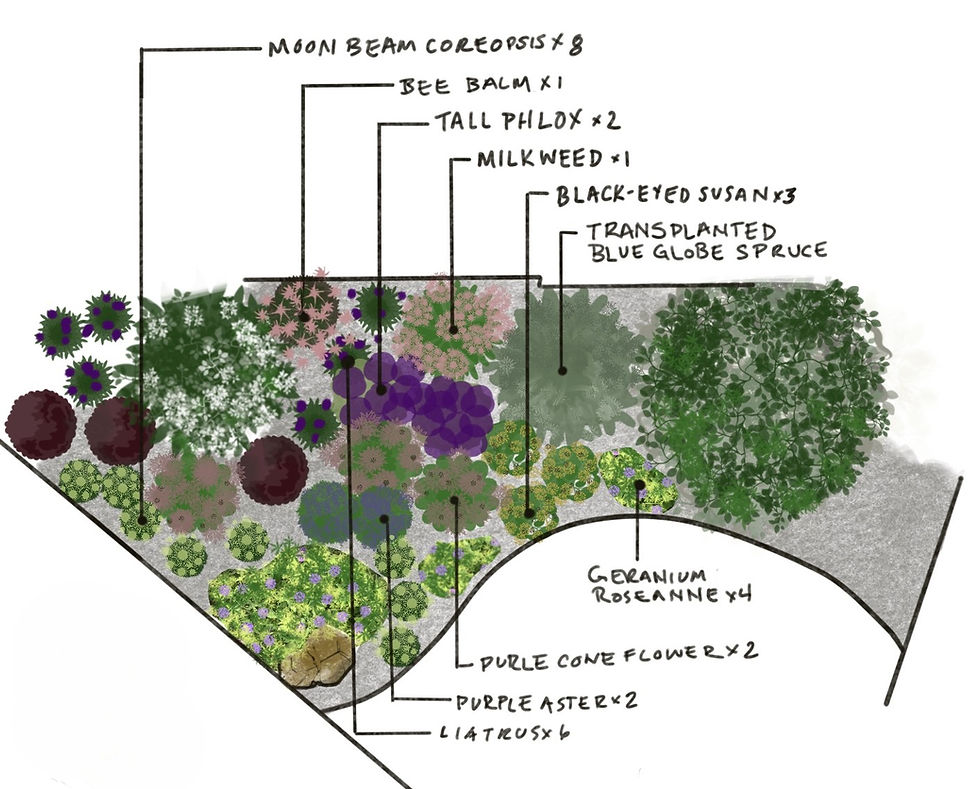
Plants bring the emotion—texture, movement, color, and seasonal rhythm. Trees and shrubs establish form, while perennials and annuals layer in softness and personality. A prairie garden relies on grasses and drifts of natives; a woodland garden leans into shade-loving foliage; a Mediterranean-inspired space uses drought-tolerant shrubs and herbs. Your palette is the signature of your style.
Water Features
Whether it’s a quiet reflecting pool, a bubbling fountain, or a naturalistic stream, water adds sensory richness. It can serve as a focal point, a sound buffer, or a cooling element in summer. The style of the feature—geometric, rustic, sculptural—reinforces the overall design language.
Lighting
Thoughtful lighting extends the garden’s life into the evening. Ambient glow creates warmth, accent lighting highlights key features, and path lighting ensures safe movement. Soft, warm fixtures suit traditional or cottage gardens, while sleek, minimal lights complement modern landscapes.
Furniture & Decor
Seating, sculptures, pottery, and architectural details personalize the space. These elements should echo your chosen style: wrought iron for formal gardens, teak or woven materials for relaxed outdoor living, or bold, sculptural pieces for contemporary designs.
Layout & Flow
A garden’s layout determines how you move through it. Curved paths feel organic and relaxed; straight lines feel structured and formal. Transitions between areas—like stepping from a patio into a planting bed—should feel intentional and intuitive.
Topography
Even subtle changes in elevation add dimension. Raised beds, terracing, or gentle slopes can create visual interest and help manage drainage challenges common in Indiana landscapes.
Key Considerations

Site Conditions
Sun exposure, soil type, and drainage dictate what will thrive. A full-sun prairie palette won’t succeed in deep shade, and moisture-loving plants won’t tolerate dry, compacted soil.
Climate & Zone
Indiana’s hardiness zone requires selecting plants that can withstand freeze–thaw cycles, humidity, and seasonal swings.
Maintenance
Be honest about your capacity. Some styles—like cottage gardens—require frequent grooming, while native or modern minimalist gardens can be lower-maintenance.
Functionality
Define the purpose: a quiet retreat, a play space, an entertaining hub, or an edible garden. Function should guide form.
Aesthetic & Budget
Your garden should reflect your taste and financial comfort. Materials, plant sizes, and features can be scaled to fit your budget.
Regulations
Always check HOA rules or municipal guidelines before installing fences, structures, or major landscape changes.
Final Thoughts
A well-designed garden style isn’t accidental—it’s a thoughtful blend of structure, plants, function, and personal expression. When these elements work together, your landscape becomes an extension of your home and a reflection of how you want to live outdoors.


Comments